Negotiations are important social interactions that permeate both personal and professional spheres (Roloff et al., 2003). Among other key purposes, they affect how much individuals earn (Marks & Harold, 2011), how organizations obtain and market resources, and how organizational partnerships are established (Lewicki et al., 1999). Negotiations represent dynamic social interaction phenomena (for an overview, see Lehmann-Willenbrock, 2025) that are characterized by debates, persuasion, the exchange of information, the argumentative substantiation of each party’s position, and the joint development of problem-solving approaches (Kilgour & Eden, 2010; Reiches & Harral, 1974; Donohue, 2003; Pruitt & Lewis, 1977; Jäckel et al., 2022). Accordingly, here, we conceptualize negotiations as processes constituted by the various verbal behaviors through which the parties interact (Filzmoser et al., 2021; Adair & Brett, 2005; Weingart & Olekalns, 2004). This communicative approach is increasingly acknowledged in the negotiation literature (e.g., Adair & Loewenstein, 2013; Di Stasi et al., 2024; Olekalns & Weingart, 2008).
Prior work has typically investigated how discrete, negotiation-specific utterances, such as interest disclosure or multi-issue offers, influence the course and outcomes of negotiations (e.g., joint gains; Olekalns & Smith, 2003; Putnam & Jones, 1982a). However, this predominant focus on negotiation-specific behavior limits our understanding of how those verbal behaviors that are not unique to negotiations and may generalize to other social interactions, such as active listening or humor, may shape negotiation outcomes (Jäckel et al., 2024). Moreover, some negotiation-specific behaviors seem highly impactful when assessed selectively but may prove less so when evaluated against the full behavioral stream, including all communicative behaviors – negotiation-specific and more general communicative behaviors – occurring throughout the negotiation. Consequently, omitting the full range of communication behaviors and instead focusing on negotiation-specific behaviors may bias conclusions regarding the impact on negotiation processes and outcomes.
A further limitation of prior work is a focus on discrete behavior. Research on other social interaction settings, such as team meetings, has demonstrated the importance of behavioral patterns, i.e., "sets of observable behaviors that evolve sequentially and occur at certain time intervals" (Hoogeboom & Wilderom, 2019, p. 6), in shaping outcomes such as team performance (e.g., Kolbe et al., 2014; Zijlstra et al., 2012; Lehmann-Willenbrock et al., 2011). Yet, comparable insights are limited in negotiation research.
To address these limitations and advance the negotiation literature, we answer the overarching research question of which verbal behaviors are associated with negotiation closure (agreement vs. non-agreement), and how these behaviors are embedded in the conversational flow of the negotiation. We draw on nonlinear dynamical systems theory and use complex adaptive systems (CAS), one of its core constructs, as a perspective to conceptualize negotiations as a dynamic process driven by behavioral interactions (Holland, 1992; Lewin, 1993; Ramos-Villagrasa et al., 2018). This perspective shifts focus from isolated speech acts toward the emergent, adaptive nature of exchanges that unfold in real time as parties respond to each other within a holistic communicative context. Critically, a whole‑system view is required because the meaning of any single act depends on the configuration of other acts unfolding around it. Responding to calls for behavioral, system-level modeling (Olekalns & Weingart, 2008; Kozlowski, 2022), we translate the CAS perspective into two complementary analytic choices: (i) utterance-level coding of the full interaction stream, and (ii) sequence-based analyses that locate behaviors within their preceding and subsequent micro-behavioral acts. This enables us to estimate associations between each behavior and the likelihood of agreement vs. non-agreement, by conditioning on the entire interaction stream rather than analyzing behaviors in isolation.
Thereby, we address two critical shortcomings in the extant literature and contribute in two meaningful ways. First, by introducing a CAS perspective on negotiations, we provide a conceptual framework to theorize on the micro-temporal interactions underlying the negotiation process. Specifically, we show that only a small subset of behaviors, including previously underexamined behavioral acts, are associated with the attainment of an agreement or a non-agreement once the entire interaction stream is considered. Second, we uncover systematic conversational patterns in which these impactful behaviors unfold within their micro-temporal interaction contexts. These findings indicate that the key behaviors linked to agreements or non-agreements do not occur in isolation but are embedded in the broader interaction flow of the negotiation. Together, these findings provide a CAS-consistent account of when and how specific utterances matter and outline behavioral pathways that practitioners may leverage to steer negotiations toward beneficial agreements or, when necessary, well‑informed non‑agreements.
Theoretical Background and Hypotheses
Conceptualizing Negotiations as Complex Adaptive Systems
To capture the social interaction context in negotiations and to do justice to the complex dynamics of verbal behavior, we adopt nonlinear dynamical systems theory and conceptualize negotiations as CAS, a core construct within nonlinear dynamical systems (Ramos-Villagrasa et al., 2018; Lewin, 1993; Holland, 1992). This conceptualization provides an explanatory framework for understanding social behavior in negotiations and aligns with the understanding of negotiations as adaptive, dynamic communicative processes (Mitleton-Kelly, 2003; Olekalns & Weingart, 2008).
CAS comprise interdependent elements that interact dynamically, adapt over time, and can settle into locally stable states (“attractors”) influenced by the system’s past and anticipated future (Arrow et al., 2000). In our setting, negotiations qualify as CAS because interdependent parties adapt to one another in real time, interactional responses can yield emergent sequential patterns, and micro-behavioral acts can produce nonlinear, path-dependent shifts (Hoogeboom & Wilderom, 2019; Siegel & Seedhouse, 2025). Accordingly, negotiation closure types (i.e., agreement vs. non-agreement) represent attractor states of the conversational dynamics, contingent upon the parties’ interdependent verbal behaviors (Ramos-Villagrasa et al., 2018; Pype et al., 2018; Gorman et al., 2017). Note that although an agreement is not necessarily the primary goal nor the sole indicator of negotiation success (e.g., an agreement that falls below a party’s reservation point can leave value on the table; Fisher et al., 1991), an agreement nonetheless remains a decisive and practically relevant outcome (O’Connor & Adams, 1999), particularly regarding the potentially severe consequences of non-agreements (Tripp & Sondak, 1992; Mertes et al., 2023).
Additional core features of CAS – i.e., self-organization, emergence, and nonlinearity (Siegel & Seedhouse, 2025) – map naturally onto the verbal behavior dynamics in negotiations (Ramos-Villagrasa et al., 2018). Each behavioral act updates the immediate context for the next, such that moment-to-moment exchanges self-organize into a conversational structure (Meinecke et al., 2019; Hoogeboom & Wilderom, 2019). Over time, these exchanges may give rise to higher-level phenomena (Kozlowski, 2022), such as systematic negotiation tactics or interpersonal trust unfolding between the parties. At the same time, the interaction stream evolves nonlinearly: for instance, a single concession, apology, or threat can function as a micro-shift that, consistent with nonlinear dynamics, disproportionately tip the interaction toward agreement or non-agreement (Siegel & Seedhouse, 2025). This perspective underscores the need to assess the communicative context holistically: the meaning of any given act is conditional on the surrounding interaction stream (Kozlowski, 2022; Kuljanin et al., 2024). Therefore, a CAS lens motivates whole system, utterance level observation of the full interaction stream rather than capturing single behaviors in isolation.
Impact of Verbal Behaviors on Negotiation Closure
The notion of negotiations as CAS driven by communicative processes brings behavioral acts to center stage (Filzmoser et al., 2021; Adair & Brett, 2005; Weingart & Olekalns, 2004). Behavioral acts represent actions displayed by an individual that are observable and functionally relevant at that particular point in time (Kelly & Agnew, 2012; Uher, 2016). Most of the extant negotiation literature focuses on verbal behaviors. Note that here we differentiate between “negotiation-specific” and “general” communicative behaviors. The former refers to those communicative behaviors that are characteristic of negotiations including offers, concessions, rejections, sharing priority-related information (Jäckel et al., 2024). The latter refers to more general communicative behaviors, for example, active listening, personal chit-chat, or humor (Jäckel et al., 2024). These more general behaviors may generalize to other social-interactions settings, such as staff meetings.
Prior research indicates that certain negotiation-specific behaviors occur more frequently in negotiations ending with an agreement than in those ending without one (Weingart et al., 1996; Olekalns & Smith, 2000). Negotiations that conclude with an agreement are more likely to be characterized by cooperative behaviors, such as greater information sharing or relationship-building utterances (Pruitt, 1981; Heunis et al., 2023; Olekalns & Smith, 2000; Stoshikj, 2014; Morris et al., 2002). Furthermore, offers that distribute value evenly between the parties tend to occur more frequently, and less disruptive tactics are employed (Pruitt, 1981; Fisher et al., 1991). In contrast, negotiations ending in non-agreement are more often marked by competitive and contentious behaviors that may create escalation spirals (Dannals et al., 2021; Olekalns et al., 1996). These include statements emphasizing differences in negotiators’ goals, expressing opposing preferences, or rigidly enforcing individual positions (Olekalns & Smith, 2000; Pruitt, 1981; O’Connor & Arnold, 2001). Nevertheless, there is limited empirical work that quantifies both the magnitude and the robustness of associations between negotiation‑specific behaviors and negotiation closure when behaviors are analyzed jointly. Most of these studies examined these behaviors in isolation, without integrating them into their interactional context (e.g., Olekalns & Smith, 2000; Thompson, 1991). Although prior work hints at which negotiation specific behaviors may favor agreements, it remains unclear whether these associations persist once the full interaction stream is considered and general communicative acts are considered.
Beyond negotiation-specific behaviors, initial research has examined how general verbal behaviors relate to negotiation outcomes. Negotiators frequently engage in unethical practices ranging from deception to extreme initial offers (O’Connor & Carnevale, 1997; Schweitzer & Croson, 1999). Socio-emotional factors, such as emotional states, can also significantly influence the course and outcome of negotiations (e.g., Van Kleef & De Dreu, 2010). Despite their recognized relevance, the range of socio-emotional behaviors studied remains limited (e.g., Adair et al., 2001), and some behaviors, such as apologies, have received little empirical attention to date (e.g., Robbennolt, 2013). Likewise, procedural communication has only received incidental attention in extant negotiation research (Weingart et al., 1993; Adair et al., 2001; Brett et al., 1998), despite its proven relevance in interactional settings (Lehmann-Willenbrock et al., 2013). Finally, the effects of other common interactional behaviors, such as small talk or humor, on negotiation processes remain unclear (Kauffeld & Lehmann-Willenbrock, 2012; Morris et al., 2002).
In sum, prior work suggests that certain negotiation-specific behaviors tend to occur more often in negotiations reaching agreement, whereas others are observed more frequently in negotiations ending without an agreement. These studies, however, have largely considered these behaviors in isolation, without systematically contrasting their relative associations with other potentially influential communicative acts. Adopting a whole-system perspective, we therefore pose our first research question:
RQ1. To what extent are negotiation-specific and general verbal behaviors associated with the type of negotiation closure?
Embedding Relevant Communication Behaviors within the Interaction Stream of a Negotiation
From a CAS perspective, the micro‑level behavioral flow in negotiations is not random noise but self‑organizes into higher‑order patterns (Arrow et al., 2000; Siegel & Seedhouse, 2025). Such pattern formation is a core aspect of emergence: as negotiating parties adapt to each other, particular verbal acts become more (or less) likely to follow one another, creating systematic behavioral sequences over the course of a negotiation (Adair & Brett, 2005; Ramos‑Villagrasa et al., 2018). These emergent sequences map the nonlinear dynamics of verbal interaction between the negotiating parties.
Accordingly, communicative behaviors not only influence negotiation outcomes but also shape the negotiation process itself (Putnam & Jones, 1982b). Within the negotiation process, communicative acts fulfill two essential functions. First, they steer the negotiation process towards the desired outcome (Druckman & Mahoney, 1977). Second, they condition the subsequent actions of the negotiating partner (Schelling, 1960). Consequently, interpreting one party’s behavioral acts requires interpretation in light of the other party's preceding acts (Olekalns, 2002).
Typically, negotiation scholars focus on broad, macro-level units of analysis, aggregating multiple behaviors (across time) into singular analytical units (e.g., Liu, 2011). For example, several utterances with an offensive character may be summarized into a single unit of analysis labeled “offensive strategies” (e.g., Putnam & Jones, 1982a). In a similar way, negotiation scholars identified specific phases within the negotiation, such as alternating phases of distributive vs. integrative negotiation behavior (Olekalns & Weingart, 2008). While merging heterogeneous individual behaviors into higher-level units illustrates the self-organizing and emergent character of negotiation behavior, insights into the unfolding of behavioral patterns, that is the underlying behavioral mechanisms of this process, are limited.
To capture these process effects precisely requires analyzing the behavioral interactions at a fine-grained scale (Berman et al., 2018). Crucially, such fine-grained analyses can elucidate how specific behaviors are embedded in the interaction process – that is, which behaviors tend to precede, and which behaviors tend to follow them (Taylor & Donald, 2003; Vetschera, 2013). For instance, Jäckel et al. (2022) identified a significant pattern between multi‑issue offers and active listening that was associated with higher joint gains. In a follow-up study, Jäckel et al. (2024) demonstrated that this pattern fostered beneficial behaviors while inhibiting detrimental ones, again being associated with higher joint gains for both parties. Consequently, seemingly minor acts can function as “control parameters” (Holland, 1992; Larsen-Freeman, 2013) that may nudge negotiations toward more cooperative attractors. Thus, such detailed analysis can expand our conceptual understanding of how specific behavioral acts may relate to the negotiation process and its eventual closure.
Building on this previous work and on our first research question, we aim to explore how the identified key behaviors are embedded in the interaction stream. Specifically, our approach extends previous macro-level negotiation research by mapping the fine-grained sequences of verbal acts, thereby revealing the micro-level interplay of negotiation-specific and general behaviors. Hence, we pose our second research question:
RQ2. How are those verbal behaviors that are associated with agreement vs. non-agreement embedded in the interaction stream, in terms of their immediate behavioral antecedents and consequences?
Methods
Sample and Procedure
We leveraged archival recordings of business professionals who consented to be video-recorded for training and evaluation purposes during a two-day, in-person course. The professional negotiation-training courses were conducted in English-, German-, and Swiss-German-speaking regions between 2016 and 2023. The video recordings capture one of the negotiation case-simulation exercises embedded in the course, which complemented lecture-based instruction and other learning activities. The negotiations lasted between 14 and 45 minutes (M = 29.46, SD = 5.31), totaling 19:50:43 hours of video material. Within each session, both negotiation parties received the same preparation window immediately prior to the recorded negotiation (protocol target ≈ 40 minutes), ensuring no within-session imbalance in preparation time. Minor between-session variation across years and trainers may have occurred but was not systematically recorded.
The Negotiation Case
The negotiation case was designed to last for approximately 30 minutes. Occasionally, trainers allowed up to ten additional minutes to accommodate course logistics. The case simulation either ended once the parties reached an agreement or once the allocated time had elapsed, here classified as non-agreement. The case involved a negotiation between a student travel agency and an airline regarding a trip for 250 students. Despite a previous verbal agreement, pricing concerns delayed the contract. To settle the contract, both parties have to resolve the concerns and agree on issues such as travel timing, pricing, and marketing. The scenario encouraged integrative bargaining with flexible, non-predetermined outcomes. Each party received exclusive information on their objectives and constraints, with a single negotiation round increasing urgency. To enhance realism, information on the parties’ prior relationship was incorporated in the case description.
Participants and Team Composition
Overall, 176 individuals were observed (men = 113, 64.2%; women = 63, 35.8%) in 40 two-party negotiations. Participants negotiated in teams ranging between one to three negotiators (M = 2.21, SD = 0.59). Importantly, none of the observed negotiations were restricted to a dyadic (1 x 1) setting; the smallest constellation was one negotiator facing a two-person team. The number of participants per negotiation ranged between three to six (M = 4.45, SD = 0.93). As all negotiations were based on the same negotiation case, we treated the data as quasi-experimental.
Transparency
The study design and analyses were not preregistered because the data were originally collected for training purposes. The raw audio and video data cannot be shared due to General Data Protection Regulations (GDPR). The anonymized coded interaction data are available upon request. The analytical code and corresponding procedure are included in the Supplemental Material S1 and S2.
Outcome Measure
We categorized negotiation outcomes either as "agreement", defined as parties reaching a mutually accepted outcome (Mallor et al., 2013), or "non-agreement", defined as a failure to do so (Tripp & Sondak, 1992). Of the 40 negotiations, 18 resulted in an agreement and 22 in a non-agreement. Note that non-agreements often represent negotiations that failed to reach a deal within the allocated time rather than an explicit declaration of impasse by the parties. In some cases, however, parties explicitly declined to agree. No standardized payoff sheets or subjective-value surveys were collected as part of the training. Therefore, the archival dataset contains only the binary closure outcome (agreement vs. non-agreement).1 Table 1 summarizes all contextual variables available in the archival dataset.
Table 1 Contextual Variables Available in the Archival Dataset
 Note. All variables are recorded at the negotiation level (N = 40), except gender composition, which is based on individual participants (N = 176). Percentages indicate the proportion of the total sample within each category.
Interaction Coding
Video recordings were coded using the INTERACT software (Mangold, 2020). Each sense unit, defined as the smallest communicative unit conveying a single idea (Bales, 1950), was coded using NegotiAct (Jäckel et al., 2022). This scheme represents a comprehensive coding system including 47 mutually exclusive (non-overlapping) and exhaustive behavioral codes capturing both negotiation-specific behaviors (e.g., offers, disclosure of issue priorities) and general communicative behaviors (e.g., humor, apologies). Table 2 presents an example transcript with the respective codes. Table 6 of Appendix A presents the complete list of codes, including the percentage inter-rater agreements per code. Three extensively trained research assistants performed the coding. Detailed information on their training is provided in Appendix B.
Table 2 Representative Sense Units with Assigned NegotiAct Codes and Definitions
Note. An overview of the full coding scheme and individual code reliability indices are listed in Appendix A.
Unitizing the Interaction
Unitization (and coding) of the video-recorded verbal interaction were conducted using the INTERACT software (Mangold, 2020), facilitating the direct marking and coding of segments within digitized recordings without the necessity of prior transcription. Working directly from video, we identified and time-stamped sense units rather than segmenting by transcribed words. This method hinders simultaneous segmentation by two coders at the exact millisecond, making it nearly impossible to calculate interrater reliability for segmentation (Guetzkow, 1950). Following established standards for interrater reliability in video coding software (Lehmann-Willenbrock & Allen, 2018), we adhered to clearly defined unitizing rules as stated in the NegotiAct Manual (Jäckel et al., 2022).
Interrater Reliability
Following widely accepted guidelines for establishing interrater reliability (Hallgren, 2012; Lombard et al., 2002; Lehmann-Willenbrock et al., 2013; Kauffeld & Lehmann-Willenbrock, 2012), we double-coded nine of the 40 negotiation videos (22.5%) to calculate Cohen’s Kappa. For this purpose, each of the three coders received three randomly assigned videos and first unitized them and then coded them. The unitized files were randomly assigned to one of the other two coders to be double-coded applying NegotiAct (Jäckel et al., 2022). This yielded a Cohen’s Kappa of κ = 0.914, which can be interpreted as excellent (Fleiss et al., 2003). Because Kappa is an average weighted index designed primarily for exhaustive, continuous coding (Bakeman & Quera, 2011), it cannot be applied to code-specific reliability. We therefore examined agreement percentages for each code, which ranged from approximately 60 % (e.g., “omission”; “negative relationship remark”) to 100 % (e.g., “extension questions”; “providing priority-related information”).
Control Variables
Three covariates were entered into the model to address RQ1. First, to account for potential team-size effects, we controlled for each party’s team size (number of negotiators per side, range = 1-3) and the cross-party team-size pairing (i.e., the combination of sizes on both sides). Team size can impact negotiation dynamics, for instance, by heightening competition or reducing trust (Wildschut et al., 2003; Naquin & Kurtzberg, 2009; Hüffmeier et al., 2019). Second, we controlled for spoken language (German, Swiss German, English) because preliminary checks showed small but significant differences in several code frequencies across language groups (details on language considerations are provided in Appendix E). Third, we controlled for negotiation duration (session length in minutes). A Mann-Whitney U test showed that agreements were reached in significantly shorter sessions than non-agreements (Mann–Whitney U = 84, p = .002; Magreement = 26.88 min; Mnon-agreement = 32.13 min). Because session length defines the exposure window for behavioral events, we included it as an additional control to prevent confounding. All categorical covariates were dummy-coded (i.e., three indicators for spoken language and six for the team-size pairings) while negotiation duration was included as a continuous control variable. The baseline categories were “spoken language = German” and “negotiators per side = 1” on both teams. Together, these dummies and duration yield ten control variables in the final specification.
Analytical Strategy
Machine Learning Approach
To investigate RQ1 and identify potential behavioral predictors for negotiation closure types, we adopted a modern causal ‑inference2 machine learning approach that combines high ‑dimensional prediction with post-selection‑ inference. First, to handle the count data nature of the NegotiAct codes as well as non-normally distributed variables, we selected a square-root transformation due to its flexibility and suitability for transforming count data (St‐Pierre et al., 2018). This method allowed us to stabilize variance and made the dataset more suitable for machine learning. Next, we estimated a semiparametric partially linear model (PLM) within the Double Machine Learning (DML) framework (Belloni et al., 2014; Chernozhukov et al., 2017). This approach is specifically designed for cases where the number of potential behavioral predictors (i.e., 47 NegotiAct codes) and contextual controls (ten variables) rivals or exceeds the sample size (i.e., 40 negotiations). Moreover, a PLM relaxes functional form assumptions for all nuisance components, reducing model dependence and the risk of omitted ‑variable bias, which is a persistent concern in organizational research where behavioral constructs rarely follow known parametric shapes.
To estimate the PLM, we used the Belloni‑Chernozhukov post‑selection framework (Belloni et al., 2013). We first fitted a predictive model for the binary outcome (i.e., agreement or no agreement) using Lasso (𝓁1-regularized regression), which selects a subset of variables that contribute meaningfully to prediction and excludes those with negligible associations. Employing a 10-fold cross-validation, this approach resulted in a reduction in the number of predictors (subset = 11 retained behavioral codes from the 47 candidate predictors). Each of these 11 coefficients reflects an approximate percentage-point shift in the likelihood of reaching an agreement for each unit increase in a given behavior, provided that other predictors are held constant. We further applied square root transformation to reduce skewness (St-Pierre et al., 2018) and used heteroscedastic standard errors to account for variance heterogeneity (Angrist & Pischke, 2009). For additional details regarding our PLM approach, including equations, see Appendix C; for model comparison and forecast diagnostics (including ROC curves), see Appendix D.
We implemented our machine learning approach using Python (version 3.10.12, 2023), with libraries including numpy (version 1.26.4), pandas (version 2.1.4), matplotlib (version 3.7.1), seaborn (version 0.13.1), scikit-learn (version 1.3.2), scipy (version 1.13.1; Virtanen et al., 2020), statsmodels (version 0.14.2), and DoubleML (version 0.10.dev0; Bach et al., 2024). Our Python code is included in the Supplemental Material S1 and S2.
Lag Sequential Analysis
To address RQ2 and examine the systematic behavioral sequences of the identified impactful behaviors unfolding between the negotiation parties, we conducted a lag-sequential analysis (LSA; Bakeman & Quera, 2011; Lehmann-Willenbrock & Allen, 2014, 2018). Similar to a Chi-square test, this analysis tests for the likelihood that two behavioral acts occur in a sequence above or below the level of chance. Given that negotiations are highly strategic interactions, in which negotiators aim to shape their counterpart’s next move directly, we focused on first-order (lag1) transitions to capture these immediate, one-step behavioral shifts, as illustrated in Figure 1 (e.g., "Asking for positional information" → "Providing positional information”).
Figure 1 Illustration of a First-Order (Lag1) Transition Based on NegotiAct Codes

Given the large number of behavioral codes, we followed previous recommendations for meaningful interpretation (Bakeman & Gottman, 1997; Klonek et al., 2016; Quera, 2018) and performed the LSA on the pooled data of the 40 negotiations. We tested for a global association within the matrix of joint frequencies and found an overall significant, non-random pattern, χ²(196) = 244.48, p < .05. We calculated transition probabilities based on the ratio of observed and expected frequencies of each possible behavioral sequence and extracted the z-statistic for each sequence using INTERACT software (Mangold, 2020). Z-scores |z| ≥ 1.96 indicate behavioral sequences above or below chance at α = .05 (Bakeman & Quera, 2011).
Results
Table 3 reports descriptive statistics for all NegotiAct behaviors as well as between-group differences when comparing negotiations ending with agreement vs. non-agreement.
Table 3 Statistical Differences in Behaviors between Agreement and Non-agreement Negotiations

 Note. Significant effects (p < .05) are shown in bold. a Mann-Whitney test; b standard t-test.
We provide visualizations of the non-zero coefficients in Supplemental Material S3. Figure 2 illustrates, for each behavior, the distribution of standardized non-zero coefficients (box plots), where standardization uses the feature’s training-set standard deviation to enable within-model comparisons of variable importance. Here, variable importance denotes contribution to predicting the binary closure outcome at this stage: behaviors with median standardized coefficients farther from zero contribute more. For example, “Accepting offer” lies markedly farther from zero than “Encouragement”, indicating a stronger contribution to predicting agreement vs. non-agreement.
The subset of behaviors S selected by the machine learning model in more than 50% of cases (i.e., > than 100 non-zero counts) consists of 11 variables:
S≔ {'Personal communication', 'Single-issue activity, 'Stressing power', 'Encouragement', 'Apologizing', 'Rejecting offer', 'Asking for positional information', 'Multi-issue activity, 'Providing priority-related information', 'Procedural suggestion', 'Accepting offer'}
The PLM described in the methods section is then fitted, with this subset S set as the parameters of interest. Table 4 presents the final estimates for the 11 behaviors retained by the DML-PLM model. Univariate analyses contrasting agreements (n = 18) and non-agreements (n = 22) can be found in Supplemental Material S4.
Figure 2 Variable Importance Represented as Box Plots of the Non-Zero Coefficient Estimates

Table 4 Results from the DoubleML Estimation Showing Unstandardized Coefficients (B), Standard Errors (SE), t-Values, p-Values, and 95% Confidence Intervals (CI) for the Selected Behaviors Included in the Model
 Note. b = unstandardized regression coefficient; SE = standard error; CI = confidence interval. Significant effects (p < .05) are shown in bold. Confidence intervals are reported to two or three decimal places, depending on proximity to zero.
“Apologizing” was positively associated with higher probability of reaching an agreement, as was “accepting offer”. In contrast “personal communication” and “procedural suggestion” were negatively associated with agreement and thus with a higher likelihood of non-agreement. All other behaviors, such as “providing priority-related information” or “single-issue activity” did not reach conventional levels of significance. Note that the results differ from those of the naïve approach from the first stage: variables that were identified as significant in the first stage (e.g., “multi-issue activity”) did not remain significant in the DML estimate. This suggests confounding and thus a spurious correlation in the first stage. It was therefore important to control for the confounders. Figure 3 displays the kernel density estimated distributions of the coefficient of the four significant behaviors across 100 repeated analyses. Tightly peaked curves that remain on one side of zero indicate directionally consistent, robust effects, whereas wide curves that overlap zero would signal sensitivity to resampling and lower stability.
Figure 3 Kernel Density Estimated Distribution of the Identified Key Behaviors (100 Repetitions)

To address RQ2 and identify the interteam behavioral patterns, we conducted a lag-sequential analysis, that involved at least one behavior identified in response to RQ1. We identified three significant first-order (lag1) sequences (Table 5). These results identify “procedural suggestion” as the only behavior that was significantly embedded in the interaction stream. Specifically, it occurred more frequently after “clarification”, was followed more often by “substantiation”, and was followed less often by “providing positional information.” The remaining focal behaviors were not embedded in this type of interaction patterns.
Table 5 Interteam Behavioral Patterns of the Identified Key Behaviors
 Note. Significant sequential effects for lag1 are indicated by z-values above 1.96 or below -1.96.
General Discussion
In this study, we advance a CAS-grounded account of negotiations by showing how a small set of context-sensitive verbal behaviors relate to whether a negotiation settles into agreement or non‑agreement and how these behaviors are embedded within the micro-level interaction flow. Within the full interaction stream, four behaviors stood out: “apologizing” and “accepting offer” (including partial acceptance of offer components) were associated with a higher probability of agreement, whereas “procedural suggestions” and “personal communication” were associated with non-agreement. Importantly, examining interactional embedding clarified how these behaviors play out in situ. We found systematic micro-temporal patterns around “procedural suggestions”: “clarifications” (i.e., rephrasings or requests for clarity) tended to precede them more often than expected by chance. In turn, “procedural suggestions” were followed by less disclosure of positional information and more frequent substantiation.
Theoretical Implications
Our findings contribute to theory on negotiation dynamics by identifying behaviors associated with agreement vs. non-agreement and by articulating the micro-patterns that organize these behaviors within the interaction stream. We next elaborate these implications for behaviors linked to agreements and non-agreements, respectively.
Behaviors Leading to Agreements
Our study identified one previously underexplored behavior that was significantly associated with negotiation agreements. Notably, apologizing was associated with an approximately 10 percentage-point higher probability of agreement. While apologies have traditionally been viewed as tools for repairing relational damage (Robbennolt, 2013; Lewicki et al., 2016), our findings indicate a positive, context-sensitive association between apologies and agreements. Prior work specifies components of effective apologies – acknowledging responsibility and expressing sincere regret (Lewicki et al., 2016; Robbennolt, 2003), empathic perspective-taking (Takaku, 2001), clear causal explanations (Lewicki et al., 2016), and, when feasible, offers of repair (Kim et al., 2009; Lewicki et al., 2016) – which offers a content-based account of why apologies may accompany agreement formation.
Two observations from our data refine this interpretation. First, in our setting, many apologies referred to the pre-existing, externally constrained frictions of the case rather than fresh violations. The case materials explicitly noted that “pricing concerns delayed the contract” (cf. Negotiation Case). A qualitative review of the apologies suggested that more than half of all utterances (~56%) combined regret with responsibility addressing this delay (e.g., “We would like to apologize for how long it took us to finally sit down together.”; “This is not the way we usually operate, and we’d like to apologize for that.”) rather than mere misconceptions (“Ah, apologies. I misunderstood.”). Such formulations may credibly signal accountability, empathy, and situational constraints, shaping counterparts’ attributions about responsibility and feasible reservation points, without endorsing opportunistic apology use. Thus, the observed relationship should not be understood as a recommendation to create transgressions to apologize for, but as evidence that when a material violation is recognized, a well-formed apology can address the grievance and may help to re‑align the interaction.
Second, temporal and descriptive checks indicate that placement and function, rather than sheer prevalence, may differentiate outcomes. Apologies occurred at similar overall rates in agreement and non-agreement negotiations (Table 3) and showed no reliable differences in cumulative duration or share of time (Supplemental S5, Table 1). What differed was when they appeared: descriptive event‑time plots (Figures 5-6; Appendix F) show early occurrences in both outcomes. Non‑agreement negotiations exhibit a stronger early clustering, whereas in agreement negotiations apologies are more broadly distributed across the interaction, with a longer tail into later phases. This pattern is consistent with research emphasizing that the effectiveness of apologies depends on timing and manner, not mere incidence (Lewicki et al., 2016; Cheung et al., 2022). In CAS terms, the temporal context of this behavior conditions its potential influence on the outcome. When timely and well-formed, apologies may operate as internal micro-fluctuations that recalibrate expectations and dampen unproductive response cascades, nudging the system toward a cooperative attractor – without, on their own, guaranteeing closure.
In addition, our results show that accepting interim offers is positively associated with final agreements. This aligns with recent theoretical work suggesting that the partial acceptance of issues can help negotiations progress incrementally toward settlement (Chatterjee & Chaturvedi, 2024). Although offer acceptance might appear synonymous with a final deal, the NegotiAct coding scheme conceptualizes the behavior “accepting offer” more broadly, encompassing smaller affirmations that move specific issues closer to resolution (Jäckel et al., 2022). By making these incremental commitments, negotiators may enter a reciprocal exchange that can foster trust and cooperation (Blau, 1964), thereby creating a cooperative climate conducive for further concessions (Esser & Komorita, 1975). Empirically, this mechanism is evident in both the temporal distribution and the frequency of offer-accepting acts. As illustrated in Figures 7-8 (Appendix F), negotiations that end in agreement display a continuous spread of partial acceptances throughout the interaction stream, whereas negotiations ending without agreement tend to show a more punctuated distribution. Moreover, negotiations ending with agreement show a higher mean frequency of offer-accepting statements (Table 3). While frequency and dispersion are analytically distinct, their alignment here suggests a more sustained use of partial acceptances in agreement negotiations.
In CAS terms, these micro-commitments may progressively constrain the state space by reducing unresolved variance across issues and increasing the probability of convergence on an agreement attractor (Arrow et al., 2000; Chatterjee & Chaturvedi, 2024). Nevertheless, partial acceptances are necessary but not sufficient for closure: they function as incremental stabilizers within the evolving system (Thompson, 2012), yet unresolved issues must still be bridged to secure a fully realized deal.
Behaviors Leading to Non-agreements
Our findings also prompt a re-examination of the presumed benefits of two established negotiation behaviors. Procedural suggestions, typically intended to enhance structure and mutual understanding in social interactions (Adair et al., 2001; Lehmann-Willenbrock et al., 2013), showed an association with an approximately 3 percentage-point higher probability of non-agreement. Consistent with this association, additional checks indicate that procedural suggestions are more pervasive in non-agreement negotiations: they occur more frequently per negotiation, take more cumulative time, and occupy a larger share of the interaction (Table 3; Supplemental Material S5, Table 2). Likewise, in non‑agreement negotiations, procedural suggestions appear in short, locally dense bursts, whereas agreement cases show fewer and more thinly dispersed instances (Appendix F, Figures 9–10). To illustrate the typical phrasing, representative formulations in our data include: “We would like to come back to the question of the cost structure”, “I would suggest that we talk about the price” and “May I take a step back?”.
One possible explanation for the observed association is that the directive nature of these suggestions could be perceived as controlling or restricting autonomy, which may induce reactance in the other party (Brehm & Brehm, 1981). Reactance may pose a greater risk of a non-agreement. Alternatively, frequent reliance on procedural suggestions might be symptomatic of deeper structural issues within the negotiation. In other words, if the two parties fail to coordinate their interaction effectively (i.e., negotiating poorly), this might be reflected in a greater level of seeking structure in the communication through procedural talk rather than engaging directly in substantive negotiation. Such misaligned communication can indeed hinder mutual understanding and potentially impede the negotiation progress (Giles & Ogay, 2007). Viewed through a CAS lens, recurrent process talk can indicate a drift into a process-focused attractor, where process-oriented exchanges locally stabilize attention on procedural matters, which may crowd out substantive issue exchange.
Our findings pertaining to RQ2 provide further insight into this effect. First, clarifications (i.e., rephrasing or requests for clarity) systematically preceded procedural suggestions, indicating that once negotiators detect uncertainty, they may default to process-focused interventions aimed at optimizing the negotiation process. Likewise, while such interventions aim to streamline negotiations, they may further reinforce process talk at the expense of addressing core coordination deficits. Second, procedural suggestions were less often followed by the disclosure of positional information, such as revealing reservation points (Jäckel et al., 2022). By focusing on “how to negotiate” parties may overlook or delay sharing crucial details that may foster collaboration. Given that procedural suggestions occurred 13.82 times on average per negotiation, this is important to consider.
Finally, procedural suggestions were frequently followed by substantiation, wherein negotiators intensify their defense of positions, which in turn may reduce flexibility and stall progress (Pruitt, 1981). Thus, frequent procedural interventions might not only signal underlying coordination or structural challenges but may also coincide with stalled negotiation progress and a lower likelihood of agreement. Taken together, these results suggest boundary conditions for prior, more favorable portrayals of procedural talk (Adair et al., 2001; Lehmann-Willenbrock et al., 2013): in struggling negotiations, procedural suggestions may function less as a remedy and more as a local stabilizer of an unproductive attractor – consistent with nonlinear, path-dependent adjustment in CAS – such that exiting this state typically requires a qualitatively different behavioral move.
A finding that may seem counterintuitive is that personal communication – the exchange of off-task personal information (Jäckel et al., 2024) – was negatively associated with reaching agreement. Prior work shows that a brief burst of small talk at the very start of a negotiation can foster rapport and may link to higher closure rates (Nadler, 2004; Moore et al., 1999). Related work highlights that early phases often serve orientation and coordination functions (Adair & Brett, 2005). Paralleling these findings, in our data, personal communication clustered in the opening phase almost exclusively within the first five minutes of both agreement and non-agreement negotiations (Figures 11–12; Appendix F). Thus, the divergence from prior work likely concerns context and function rather than timing. In our time-bounded setting (sessions were capped at 30-40 minutes), even brief off-task exchanges reduce the bandwidth available for substantive negotiating. While we do not compare session lengths to prior studies, thin-slice evidence suggests that early conversational features can be predictive of outcomes (Curhan & Pentland, 2007), making early opportunity costs a plausible within-study process account. Moreover, under competitive pressure or low trust, personal talk may be read as posturing rather than coordination (Brett & Thompson, 2016) and may displace substantive information exchange in the opening phase, which can interrupt emerging task momentum. In CAS terms, early off-task talk could nudge the system toward a less productive attractor – not because personal talk is inherently harmful, but plausibly because it may divert adaptive attention from issue exchange during a sensitive phase. Thus, personal communication appears context-contingent: in cooperative, low-pressure settings it may lubricate interaction, but in time-compressed, positional disputes it competes with value-creating dialogue and, once other behavior is controlled, is associated with a lower probability of agreement.
In summary, even behaviors traditionally considered constructive, such as procedural suggestions, may coincide with a higher incidence of non-agreement, while socio-emotional acts like apologies may be associated with a higher likelihood of agreements under certain conditions. Rather than dismissing well-established negotiation tactics, these findings contribute to a more nuanced understanding of negotiation behavior by illustrating how general verbal behaviors are associated with negotiation agreements or non-agreements, potentially complementing traditional strategies. Our findings suggest that in some contexts, general verbal behaviors may play a similarly important role as negotiation-specific tactics. For instance, although multi-issue offers are widely recognized for increasing joint gains and fostering integrative bargaining (e.g., Weingart et al., 1999; Jäckel et al., 2024), they were not significantly associated with the attainment of an agreement in our data. This divergence is not contradictory: Joint gains index value creation, whereas agreement and non-agreement captures the closure decision. The observed null effect therefore indicates only that creating value does not automatically translate into signing a deal.
Overall, our results underscore the value of whole-system, utterance-level measurement and sequence-based analysis: the meaning of any single communicative acts emerges from its embedding in the interaction stream, consistent with a CAS account of negotiation.
Practical Implications
Our findings yield two main practical implications for negotiators. First, certain verbal acts were positively associated with agreements in our setting, suggesting that specific behaviors may coincide with this outcome. Specifically, apologizing and accepting interim offers both showed significant positive associations with agreements, indicating that openly acknowledging a genuine violation or incrementally accepting issue components during the negotiation may support agreement formation. Based on our finding that procedural suggestions were more prevalent in non-agreement negotiations, negotiators may wish to monitor their use of such process talk so that it does not crowd out substantive bargaining. Practically, negotiators may treat these acts as potential early-warning signals of a system drift (e.g., repeated process talk) or as small, deliberate behavioral acts toward cooperation (e.g., well-timed apologies for prior violation; issue-specific micro-commitments) to steer the interaction away from unproductive attractors.
Second, negotiators could benefit from recognizing that their own actions are often followed by both favorable and unfavorable responses from their counterparts. For instance, clarifications were frequently followed by procedural suggestions, which were, in turn, often followed by substantiation (i.e., more forceful stance-taking). These patterns suggest that certain behaviors can be linked to short cascades of subsequent actions within the negotiation. It is not realistic that negotiators will be in full control of shaping these dynamics. However, developing an awareness of these mechanisms may hopefully lead to a more mindful behavior and facilitate goodwill amongst the negotiation parties. Given the observational design of our study, these practical implications should be applied as context‑sensitive heuristics rather than prescriptive rules.
Limitations and Future Research
We identified eight limitations of our study. First, our analysis relied on a single closure outcome – agreement vs. non-agreement. We recognize that this binary indicator does not capture the economic quality of the deal or the parties’ subjective evaluations; a non-agreement may sometimes preserve value, whereas an agreement struck below a reservation point can be detrimental. Because the archival training data lack standardized payoff sheets and subjective-value surveys, such dimensions could not be analyzed. Consequently, our findings should be interpreted solely as predictors of closure, not as a comprehensive measure of negotiation performance. Future studies should collect comparable economic and socio‑emotional outcome measures to identify verbal behaviors that both secure closure and maximize value and test these behaviors across more diverse samples and settings
Second, all negotiations were bound by an approximate 30- to 40-minute deadline. While such time pressure mirrors many real-world bargaining settings, it also means that some non-agreements may reflect unfinished interactions rather than substantive impasses. Thus, certain integrative settlements might have emerged, had more time been available. Future studies could employ open-ended sessions or survival-analysis techniques to disentangle timing effects from substantive non-agreements (Thompson, 2012).
Third, we focused on verbal behavior, omitting nonverbal cues (e.g., body language) as well as individual and situational variables (e.g., personality traits, power differences, time pressure) that can reinforce or contradict spoken messages (Adair & Semnani-Azad, 2011). The training context and the comparatively low stakes created a specific context that may have shaped behavior. Thus, generalization to other contexts, including high‑stakes, real‑deal settings should be made with caution. Future research could integrate these aspects, along with personality traits and power differences (e.g., Yiu & Lee, 2010; Nelson et al., 2015), to provide a more holistic view of negotiation dynamics.
Fourth, we did not account for macro-level communicative dynamics, such as speaking time and pacing, which can significantly shape negotiation processes (Di Stasi et al., 2024). Incorporating these structural elements in future research could provide deeper insights into the temporal and strategic coordination of negotiations. Recent work (e.g., Klaassen et al., 2024) demonstrates promising ways to directly process multimodal negotiation data (in form of multimodal data such as video or text), thus allowing the integration of factors like speaking time into effect estimations. Linking macro-structure (e.g., tempo or turn-taking) to micro-sequences would enable multi-scale modeling of adaptation. Consistent with a CAS perspective, extending the analyses to macro-structural and multimodal features would require an a priori, theory-driven rationale specifying their hypothesized role (e.g., as moderators of micro-sequence effects), rather than treating them as a purely methodological add-on.
Fifth, some behaviors occurred frequently (e.g., “encouragement”), whereas others were rare (e.g., “extension questions”). This constrains strong conclusions about less common behaviors. Although the rare behaviors may be theoretically relevant, their low occurrence limits statistical power. Future research may consider larger and more varied negotiation contexts and, where theoretically warranted, pre‑registered aggregation of rare but conceptually related codes to increase power.
Sixth, the analysis of RQ2 only captured immediate behavioral sequences (i.e., first-order transitions). While this approach provides valuable micro-level insights, it does not account for more complex interaction patterns. Future research could examine more complex patterns involving more than two behavioral acts and potentially dispersed more across time, to better understand how behavioral patterns evolve throughout negotiations as CAS.
Seventh, as an observational study, our design does not support causal claims. Future work should employ experimental approaches to test whether specific verbal acts causally shift negotiation trajectories. For example, researchers could randomize newly formed teams to brief training modules (e.g., well‑formed early apologies vs. non‑apology control), use delayed‑treatment controls on ethical grounds, and pre‑register outcomes (closure, value, subjective value). Field or lab‑in‑the‑field experiments and micro‑randomized interventions could further probe when and for whom these behavioral acts are effective.
Finally, our behavioral coding did not capture the nature/quality of apologies (e.g., brief conversational repair vs. fully fledged apology combining explanation, responsibility, and regret). This limits subtype-specific inference about whether associations differ by apology completeness or sincerity. Future research should pre-register a multi-dimensional coding of apology nature (e.g., repair vs. full apology; completeness/sincerity) to formally test whether and when the quality of various apologies moderates associations with negotiation outcomes.
Conclusion
Building on a large dataset of observed behaviors, our findings highlight the importance of both negotiation-specific and more general verbal acts in being associated with whether negotiations close as agreement or non‑agreement. While negotiation-specific behaviors (e.g., multi‑issue offers) have received significant attention, our results suggest that less-explored verbal acts may play comparably important roles. Specifically, apologies and accepting interim offers were positively associated with agreements, whereas procedural suggestions and personal communication were associated with a higher likelihood of a non‑agreement. Moreover, a lag-sequential analysis revealed that procedural suggestions occur in systematic behavioral patterns throughout the negotiation. Overall, a CAS perspective integrates these results by viewing verbal acts as context-dependent micro-behaviors, underscoring the need to consider the entire interaction stream in which negotiations unfold at the micro-level. Future research may adopt whole‑system, utterance‑level measurement alongside experimental designs to further explore these dynamics and test how specific acts may nudge the system toward mutually beneficial agreements.
Author Note
The data that support the findings of this study are available from the corresponding author upon reasonable request. We have no known conflicts of interest to disclose. A previous, abridged version of this work was presented at the 2025 Academy of Management Conference in Copenhagen.
References
Adair, W. L., & Loewenstein, J. (2013). Talking it through: communication sequences in negotiation. In Edward Elgar Publishing eBooks (S. 311–331). https://doi.org/10.4337/9781781005903.00022
Adair, W. L., & Brett, J. M. (2005). The negotiation dance: Time, culture, and behavioral sequences in negotiation. Organization Science, 16(1), 33–51. https://doi.org/10.1287/orsc.1040.0102
Adair, W. L., & Semnani-Azad, Z. (2011). The display of “dominant” nonverbal cues in negotiation: The role of culture and gender. International Negotiation, 16(3), 451–479. https://doi.org/10.1163/157180611x592950
Adair, W. L., Okumura, T., & Brett, J. M. (2001). Negotiation behavior when cultures collide: The United States and Japan. Journal of Applied Psychology, 86(3), 371–385. https://doi.org/10.1037/0021-9010.86.3.371
Angrist, J. D., & Pischke, J. (2009). Mostly harmless econometrics. https://doi.org/10.2307/j.ctvcm4j72
Arrow, H., McGrath, J., & Berdahl, J. (2000). Small Groups as Complex Systems: Formation, Coordination, Development, and Adaptation. https://doi.org/10.4135/9781452204666
Bach, P., Kurz, M. S., Chernozhukov, V., Spindler, M., & Klaassen, S. (2024). DoubleML: An Object-Oriented Implementation of Double Machine Learning in R. Journal of Statistical Software, 108(3). https://doi.org/10.18637/jss.v108.i03
Bakeman, R., & Gottman, J. M. (1997). Observing interaction: An introduction to sequential analysis (2nd ed.). Cambridge University Press. https://doi.org/10.1017/CBO9780511527685
Bakeman, R., & Quera, V. (2011). Sequential analysis and observational methods for the behavioral sciences. New York, NY: Cambridge University Press. https://doi.org/10.1017/CBO9781139017343
Bales R. F. (1950). Interaction process analysis: A method for the study of small groups. Chicago: University of Chicago Press.
Belloni, A., Chernozhukov, V., & Hansen, C. (2013). Inference on Treatment Effects after Selection among High-Dimensional Controls. The Review of Economic Studies, 81(2), 608–650. https://doi.org/10.1093/restud/rdt044
Belloni, A., Chernozhukov, V., & Hansen, C. (2014). High-Dimensional Methods and Inference on Structural and Treatment Effects. The Journal of Economic Perspectives, 28(2), 29–50. https://doi.org/10.1257/jep.28.2.29
Berman, S., Ventola, P., & Gordon, I. (2018). Improvements in micro level indices of social communication following Pivotal Response Treatment (PRT). Research in Autism Spectrum Disorders, 51, 56–65. https://doi.org/10.1016/j.rasd.2018.04.003
Blau, P. M. (1964). Exchange and power in social life. Wiley.
Brehm, S. S., & Brehm, J. W. (1981). Psychological reactance: A theory of freedom and control. Academic Press.
Brett, J., & Thompson, L. (2016). Negotiation. Organizational Behavior and Human Decision Processes, 136, 68–79. https://doi.org/10.1016/j.obhdp.2016.06.003
Brett, J. M., Adair, W. L., Lempereur, A., Okumura, T., Shikhirev, P., Tinsley, C. H., & Lytle, A. L. (1998). Culture and joint gains in negotiation. Negotiation Journal, 14(1), 61–86. https://doi.org/10.1111/j.1571-9979.1998.tb00148.x
Chatterjee, K., & Chaturvedi, R. (2024). Integrating Raiffa and Nash approaches to bargaining using interim agreements. Games and Economic Behavior, 146, 105-120. https://doi.org/10.1016/j.geb.2024.05.003
Chernozhukov, V., Chetverikov, D., Demirer, M., Duflo, E., Hansen, C., Newey, W., & Robins, J. (2017). Double/debiased machine learning for treatment and structural parameters. Econometrics Journal, 21(1), C1–C68. https://doi.org/10.1111/ectj.12097
Cheung, S. O., Zhu, L., & Yu, K. I. (2022). The value of apology in construction dispute negotiation. International Journal of Construction Management, 22(10), 1910–1923. https://doi.org/10.1080/15623599.2020.1744797
Curhan, J. R., & Pentland, A. (2007). Thin slices of negotiation: Predicting outcomes from conversational dynamics within the first 5 minutes. Journal Of Applied Psychology, 92(3), 802–811. https://doi.org/10.1037/0021-9010.92.3.802
Dannals, J. E., Zlatev, J. J., Halevy, N., & Neale, M. A. (2021). The dynamics of gender and alternatives in negotiation. Journal of Applied Psychology, 106(11), 1655–1672. https://doi.org/10.1037/apl0000867
Di Stasi, M., Templeton, E., & Quoidbach, J. (2024). Zooming out on bargaining tables: Exploring which conversation dynamics predict negotiation outcomes. Journal of Applied Psychology, 109(7), 1077–1093. https://doi.org/10.1037/apl0001136
Donohue, W. A. (2003). The Promise of an Interaction-Based Approach to Negotiation. International Journal of Conflict Management, 14(3-4), 167–176. https://doi.org/10.1108/eb022896
Druckman, D., & Mahoney, R. (1977). Processes and consequences of international negotiations. Journal of Social Issues, 33(1), 60–87. https://doi.org/10.1111/j.1540-4560.1977.tb01869.x
Esser, J. K., & Komorita, S. S. (1975). Reciprocity and concession making in bargaining. Journal of Personality and Social Psychology, 31(5), 864–872. https://doi.org/10.1037/h0076692
Filzmoser, M., Vetschera, R., & Koeszegi, S. T. (2021). Negotiation processes: Empirical insights. In D. M. Kilgour & C. Eden (Eds.), Handbook of group decision and negotiation (pp. 61–79). Springer Nature Switzerland AG. https://doi.org/10.1007/978-3-030-49629-6_60
Fisher, R., Ury, W., & Patton, B. (1991). Getting to Yes: Negotiating Agreement without Giving In. 2nd ed. New York, N.Y., Penguin Books.
Fleiss, J. L., Levin, B., & Paik, M. C. (2003). Statistical methods for rates and proportions. Wiley Series in Probability and Statistics. https://doi.org/10.1002/0471445428
Giles, H., & Ogay, T. (2007). Communication accommodation theory. In B. B. Whaley & W. Samter (Eds.), Explaining communication: Contemporary theories and exemplars (pp. 293–310). Lawrence Erlbaum Associates.
Gomila, R. (2020). Logistic or linear? Estimating causal effects of experimental treatments on binary outcomes using regression analysis. Journal Of Experimental Psychology General, 150(4), 700–709. https://doi.org/10.1037/xge0000920
Gorman, J. C., Dunbar, T. A., Grimm, D., & Gipson, C. L. (2017). Understanding and Modeling Teams As Dynamical Systems. Frontiers in Psychology, 8. https://doi.org/10.3389/fpsyg.2017.01053
Guetzkow, H. (1950). Unitizing and categorizing problems in coding qualitative data. Journal of Clinical Psychology, 6, 47–58. https://doi.org/10.1002/1097-4679(195001)6:1<47::AID-JCLP2270060111>3.0.CO;2-I
Hallgren, K. A. (2012). Computing inter-rater reliability for observational data: An overview and tutorial. Tutorials in Quantitative Methods for Psychology, 8(1), 23–34. https://doi.org/10.20982/tqmp.08.1.p023
Heunis, H., Pulles, N. J., Giebels, E., Kollöffel, B., & Sigurdardottir, A. G. (2023). Strategic adaptability in negotiation: A framework to distinguish strategic adaptable behaviors. International Journal of Conflict Management, 35(2), 245–269. https://doi.org/10.1108/ijcma-02-2023-0028
Holland, J. H. (1992). Complex Adaptive Systems. Daedalus, 121(1), 17–30. http://www.jstor.org/stable/20025416
Hoogeboom, M. A. M. G., & Wilderom, C. P. M. (2019). A Complex Adaptive Systems Approach to Real-Life Team Interaction Patterns, Task Context, Information Sharing, and Effectiveness. Group and Organization Management, 45(1), 3-42. https://doi.org/10.1177/1059601119854927
Hüffmeier, J., Zerres, A., Freund, P. A., Backhaus, K., Trötschel, R., & Hertel, G. (2019). Strong or weak synergy? Revising the assumption of team-related advantages in integrative negotiations. Journal of Management, 45(7), 2721-2750. https://doi.org/10.1177/0149206318770245
Jäckel, E., Zerres, A., & Hüffmeier, J. (2024). Active listening in integrative negotiation. Communication Research. https://doi.org/10.1177/00936502241230711
Jäckel, E., Zerres, A., De Sanchez, C. S. H., Lehmann-Willenbrock, N., & Hüffmeier, J. (2022). NegotiAct: Introducing a comprehensive coding scheme to capture temporal interaction patterns in negotiations. Group & Organization Management. Advance online publication. https://doi.org/10.1177/10596011221132600
Kauffeld, S., & Lehmann-Willenbrock, N. (2012). Meetings matter: Effects of team meetings on team and organizational success. Small Group Research, 43(2), 130–158. https://doi.org/10.1177/1046496411429599
Kelly, J. R., & Agnew, C. R. (2012). Behavior and behavior assessment. In K. Deaux & M. Snyder (Eds.), Oxford library of psychology. The Oxford handbook of personality and social psychology (pp. 93–110). Oxford University Press.
Kilgour, D. M., & Eden, C. (2010). Handbook of group decision and negotiation. In Advances in group decision and negotiation. https://doi.org/10.1007/978-90-481-9097-3
Kim, P. H., Dirks, K. T., & Cooper, C. D. (2009). The Repair of Trust: A Dynamic Bilateral Perspective and Multilevel Conceptualization. The Academy of Management Review, 34(3), 401–422. http://www.jstor.org/stable/27760011
Klaassen, S., Teichert-Kluge, J., Bach, P., Chernozhukov, V., Spindler, M., & Vijaykumar, S. (2024). DoubleMLDeep: Estimation of Causal Effects with Multimodal Data. arXiv (Cornell University). https://doi.org/10.48550/arxiv.2402.01785
Klonek, F. E., Quera, V., Burba, M., & Kauffeld, S. (2016). Group interactions and time: Using sequential analysis to study group dynamics in project meetings. Group Dynamics: Theory, Research, and Practice, 20(3), 209–222. https://doi.org/10.1037/gdn0000052
Kolbe, M., Grote, G., Waller, M. J., Wacker, J., Grande, B., Burtscher, M. J., & Spahn, D. R. (2014). Monitoring and talking to the room: Autochthonous coordination patterns in team interaction and performance. Journal of Applied Psychology, 99(6), 1254–1267. https://doi.org/10.1037/a0037877
Kozlowski, S. W. J. (2022). The Data Revolution and the Interplay Between Theory and Data. In Routledge eBooks (S. 206–240). https://doi.org/10.4324/9781003015000-12
Kuljanin, G., Braun, M. T., Grand, J. A., Olenick, J. D., Chao, G. T., & Kozlowski, S. W. (2024). Advancing organizational science with computational process theories. The Leadership Quarterly, 35(4), 101797. https://doi.org/10.1016/j.leaqua.2024.101797
Larsen-Freeman, D. (2013). Complexity theory: a new way to think. Revista Brasileira De Lingüística Aplicada, 13(2), 369–373. https://doi.org/10.1590/s1984-63982013000200002
Lehmann-Willenbrock, N. (2025). Dynamic Interpersonal Processes at Work: Taking Social Interactions Seriously. Annual Review of Organizational Psychology and Organizational Behavior. Advance online publication.
Lehmann-Willenbrock, N., & Allen, J. A. (2018). Modeling temporal interaction dynamics in organizational settings. Journal of Business and Psychology, 33(3), 325–344. https://doi.org/10.1007/s10869-017-9506-9
Lehmann-Willenbrock, N., Allen, J. A. (2014). How fun are your meetings? Investigating the relationship between humor patterns in team interactions and team performance. Journal of Applied Psychology, 99(6), 1278–1287. https://doi.org/10.1037/a0038083
Lehmann-Willenbrock, N., Allen, J. A., & Kauffeld, S. (2013). A sequential analysis of procedural meeting communication: How teams facilitate their meetings. Journal of Applied Communication Research, 41(4), 365–388. https://doi.org/10.1080/00909882.2013.844847
Lehmann-Willenbrock, N., Meyers, R. A., Kauffeld, S., Neininger, A., & Henschel, A. (2011). Verbal interaction sequences and group mood. Small Group Research, 42(6), 639–668. https://doi.org/10.1177/1046496411398397
Lewicki, R. J., Polin, B., & Lount, R. B., Jr. (2016). An exploration of the structure of effective apologies. Negotiation and Conflict Management Research, 9(2), 177–196. https://doi.org/10.1111/ncmr.12073
Lewicki, R. J., Saunders, D. M., & Minton, J. W. (Eds.). (1999). Negotiation: Readings, exercises, and cases (3rd ed.). Irwin/The McGraw-Hill Companies.
Lewin, R. (1993). Complexity: Life at the edge of chaos. London, England: Phoenix.
Liu, M. (2011). A phasic analysis of strategy sequences and their mediating effects on interaction goals and negotiation outcomes. Communication Research, 40(3), 337–359. https://doi.org/10.1177/0093650211408595
Lombard, M., Snyder-Duch, J., & Bracken, C. C. (2002). Content analysis in mass communication: Assessment and reporting of intercoder reliability. Human Communication Research, 28(4), 587–604. https://doi.org/10.1111/j.1468-2958.2002.tb00826.x
Mallor, J. P., Barnes, A. J., & Bowers, T. (2013). Business law: The ethical, global, and e-commerce environment. McGraw Hill.
Mangold. (2020). INTERACT user guide. Mangold International GmbH (Ed.). www.mangold-international.com
Marks, M., & Harold, C. (2011). Who asks and who receives in salary negotiation. Journal of Organizational Behavior, 32(3), 371–394. http://www.jstor.org/stable/41415674
Meinecke, A. L., De Sanchez, C. S. H., Lehmann-Willenbrock, N., & Buengeler, C. (2019). Using State Space Grids for Modeling Temporal Team Dynamics. Frontiers in Psychology, 10. https://doi.org/10.3389/fpsyg.2019.00863
Mertes, M., Kunz, D., & Hüffmeier, J. (2023). A deep dive into distributive concession making and the likelihood of non-agreements in negotiations. Collabra: Psychology, 9(1). https://doi.org/10.1525/collabra.88929
Mitleton-Kelly, E. (2003). Complex Systems and Evolutionary Perspectives on Organisations. Pergamon Press.
Moore, D. A., Kurtzberg, T. R., Thompson, L. L., & Morris, M. W. (1999). Long and Short Routes to Success in Electronically Mediated Negotiations: Group Affiliations and Good Vibrations. Organizational Behavior And Human Decision Processes, 77(1), 22–43. https://doi.org/10.1006/obhd.1998.2814
Morris, M., Nadler, J., Kurtzberg, T., & Thompson, L. (2002). Schmooze or lose: Social friction and lubrication in e-mail negotiations. Group Dynamics: Theory, Research, and Practice, 6(1), 89–100. https://doi.org/10.1037/1089-2699.6.1.89
Nadler, J. (2004). Legal Negotiation and Communication Technology: How Small Talk Can Facilitate E-mail Dealmaking. SSRN Electronic Journal. https://doi.org/10.2139/ssrn.428523
Naquin, C. E., & Kurtzberg, T. R. (2009). Team negotiation and perceptions of trustworthiness: The whole vs. the sum of the parts. Group Dynamics: Theory, Research, and Practice, 13(2), 133–150. https://doi.org/10.1037/a0013879
Nelson, N., Bronstein, I., Shacham, R., & Ben‐Ari, R. (2015). The power to oblige: Power, gender, negotiation behaviors, and their consequences. Negotiation and Conflict Management Research, 8(1), 1–24. https://doi.org/10.1111/ncmr.12045
O’Connor, K. M., & Carnevale, P. J. (1997). A nasty but effective negotiation strategy: Misrepresentation of a common-value issue. Personality and Social Psychology Bulletin, 23(5), 504–515. https://doi.org/10.1177/0146167297235006
O'Connor, K. M., & Adams, A. A. (1999). What novices think about negotiation: A content analysis of scripts. Negotiation Journal, 15(2), 135–147. https://doi.org/10.1023/A:1007594525238
O'Connor, K. M., & Arnold, J. A. (2001). Distributive spirals: Negotiation non-agreements and the moderating role of disputant self-efficacy. Organizational Behavior and Human Decision Processes, 84(1), 148–176. https://doi.org/10.1006/obhd.2000.2923
Olekalns, M. (2002). Negotiation as social interaction. Australian Journal of Management, 27(1_suppl), 39–46. https://doi.org/10.1177/031289620202701s05
Olekalns, M., & Smith, P. L. (2000). Understanding optimal outcomes: The role of strategy sequences in competitive negotiations. Human Communication Research, 26(4), 527–557. https://doi.org/10.1111/j.1468-2958.2000.tb00768.x
Olekalns, M., & Smith, P. L. (2003). Social motives in negotiation: The relationships between dyad composition, negotiation processes and outcomes. International Journal of Conflict Management, 14(3/4), 233–254. https://doi.org/10.1108/eb022900
Olekalns, M., & Weingart, L. R. (2008). Emergent negotiations: Stability and shifts in negotiation dynamics. Negotiation and Conflict Management Research, 1(2), 135–160. https://doi.org/10.1111/j.1750-4716.2008.00008.x
Olekalns, M., Smith, P. L., & Walsh, T. (1996). The process of negotiating: Strategy and timing as predictors of outcomes. Organizational Behavior and Human Decision Processes, 68(1), 68–77. https://doi.org/10.1006/obhd.1996.0090
Pruitt, D. G. (1981). Negotiation Behavior. New York: Academic Press.
Pruitt, D. G., & Lewis, S. A. (1977). The dynamics of integrative bargaining [Data set]. PsycEXTRA Dataset. https://doi.org/10.1037/e668292012-310
Putnam, L. L., & Jones, T. S. (1982a). Reciprocity in negotiations: An analysis of bargaining interaction. Communication Monographs, 49, 171–191. https://doi.org/10.1080/03637758209376080
Putnam, L. L., & Jones, T. S. (1982b). The role of communication in bargaining. Human Communication Research, 8(3), 262–280. https://doi.org/10.1111/j.1468-2958.1982.tb00668.x
Pype, P., Mertens, F., Helewaut, F., & Krystallidou, D. (2018). Healthcare teams as complex adaptive systems: understanding team behaviour through team members’ perception of interpersonal interaction. BMC Health Services Research, 18(1). https://doi.org/10.1186/s12913-018-3392-3
Quera, V. (2018). Analysis of Interaction Sequences. In E. Brauner, M. Boos, & M. Kolbe (Eds.), The Cambridge Handbook of Group Interaction Analysis (pp. 295–322). chapter, Cambridge: Cambridge University Press.
Ramos-Villagrasa, P. J., Marques-Quinteiro, P., Navarro, J., & Rico, R. (2018). Teams as Complex Adaptive Systems: Reviewing 17 Years of Research. Small Group Research, 49(2), 135–176. https://doi.org/10.1177/1046496417713849
Reiches, N. A., & Harral, H. B. (1974). Argument in negotiation: A theoretical and empirical approach. Speech Monographs, 41, 36–48.
Robbennolt, J. K. (2003). Apologies and Legal Settlement: An Empirical Examination, 102 Mich. L. Rev. 460.
Robbennolt, J. K. (2013). The effects of negotiated and delegated apologies in settlement negotiation. Law and Human Behavior, 37(2), 128–135. https://doi.org/10.1037/lhb0000020
Roloff, M. E., Putnam, L. L., & Anastasiou, L. (2003). Negotiation skills. In J. O. Greene & B. R. Burleson (Eds.), Handbook of communication and social interaction skills (pp. 801–833). Lawrence Erlbaum Associates Publishers.
Schafer, J. L., & Kang, J. (2008). Average causal effects from nonrandomized studies: A practical guide and simulated example. Psychological Methods, 13(4), 279–313. https://doi.org/10.1037/a0014268
Schelling, T. C. (1960). The strategy of conflict. Harvard University Press.
Schweitzer, M. E., & Croson, R. (1999). Curtailing deception: The impact of direct questions on lies and omissions. International Journal of Conflict Management, 10(3), 225–248. https://doi.org/10.1108/eb022825
Siegel, A., & Seedhouse, P. (2025). A conversation analysis-complex dynamics systems theory (CA-CDST) approach for analyzing longitudinal development in L2 pragmatics. Research Methods in Applied Linguistics, 4(1), 100169. https://doi.org/10.1016/j.rmal.2024.100169
Stoshikj, M. (2014). Integrative and distributive negotiations and negotiation behavior. Journal of Service Science Research, 6(1), 29–69. https://doi.org/10.1007/s12927-014-0002-8
St‐Pierre, A. P., Shikon, V., & Schneider, D. C. (2018). Count data in biology—Data transformation or model reformation? Ecology and Evolution, 8(6), 3077–3085. https://doi.org/10.1002/ece3.3807
Takaku, S. (2001). The Effects of Apology and Perspective Taking on Interpersonal Forgiveness: A Dissonance-Attribution Model of Interpersonal Forgiveness. The Journal Of Social Psychology, 141(4), 494–508. https://doi.org/10.1080/00224540109600567
Taylor, P. J., & Donald, I. (2003). Foundations and evidence for an interaction-based approach to conflict negotiation. International Journal of Conflict Management, 14(3-4), 213–232. https://doi.org/10.1108/eb022899
Thompson, L. L. (1991). Information exchange in negotiation. Journal of Experimental Social Psychology, 27(2), 161–179. https://doi.org/10.1016/0022-1031(91)90020-7
Thompson, L. L. (2012). The Mind and Heart of the Negotiator. Prentice Hall.
Tripp, T. M., & Sondak, H. (1992). An evaluation of dependent variables in experimental negotiation studies: Non-agreement rates and Pareto efficiency. Organizational Behavior and Human Decision Processes, 51(2), 273–295. https://doi.org/10.1016/0749-5978(92)90014-X
Uher, J. (2016). What is behavior? And (when) is language behavior? A metatheoretical definition. Journal for the Theory of Social Behavior, 46(4), 475–5001. https://doi.org/10.1111/jtsb.12104
Van Kleef, G. A., & De Dreu, C. K. W. (2010). Longer-term consequences of anger expression in negotiation: Retaliation or spillover? Journal of Experimental Social Psychology, 46(5), 753–760. https://doi.org/10.1016/j.jesp.2010.03.013
Vetschera, R. (2013). Negotiation processes: An integrated perspective. EURO Journal on Decision Processes, 1(1–2), 135–164. https://doi.org/10.1007/s40070-013-0006-5
Virtanen, P., Gommers, R., Oliphant, T. E., Haberland, M., Reddy, T., Cournapeau, D., Burovski, E., Peterson, P., Weckesser, W., Bright, J., van der Walt, S. J., Brett, M., Wilson, J., Millman, K. J., Mayorov, N., Nelson, A. R. J., Jones, E., Kern, R., Larson, E., Carey, C. J., … SciPy 1.0 Contributors (2020). SciPy 1.0: fundamental algorithms for scientific computing in Python. Nature methods, 17(3), 261–272. https://doi.org/10.1038/s41592-019-0686-2
Weingart, L. R., & Olekalns, M. (2004). Communication processes in negotiation: Frequencies, sequences, and phases. In M. J. Gelfand & J. M. Brett (Eds.), The Handbook of Negotiation and Culture (pp. 143–157). Stanford University Press.
Weingart, L. R., Bennett, R. J., & Brett, J. M. (1993). The impact of consideration of issues and motivational orientation on group negotiation process and outcome. Journal of Applied Psychology, 78(3), 504–517. https://doi.org/10.1037/0021-9010.78.3.504
Weingart, L. R., Hyder, E. B., & Prietula, M. J. (1996). Knowledge matters: The effect of tactical descriptions on negotiation behavior and outcome. Journal of Personality and Social Psychology, 70(6), 1205–1217. https://doi.org/10.1037/0022-3514.70.6.1205
Weingart, L. R., Prietula, M. J., Hyder, E. B., & Genovese, C. R. (1999). Knowledge and the sequential processes of negotiation: A Markov chain analysis of response-in-kind. Journal of Experimental Social Psychology, 35(4), 366–393. https://doi.org/10.1006/jesp.1999.1378
Wildschut, T., Pinter, B., Vevea, J. L., Insko, C. A., & Schopler, J. (2003). Beyond the group mind: A quantitative review of the interindividual-intergroup discontinuity effect. Psychological Bulletin, 129(5), 698–722. https://doi.org/10.1037/0033-2909.129.5.698
Yiu, T. W., & Lee, H. K. (2010). How do personality traits affect construction dispute negotiation? Study of Big Five personality model. Journal of Construction Engineering and Management, 137(3), 169–178. https://doi.org/10.1061/(ASCE)CO.1943-7862.0000271
Zijlstra, F. R. H., Waller, M. J., & Phillips, S. I. (2012). Setting the tone: Early interaction patterns in swift-starting teams as a predictor of effectiveness. European Journal of Work and Organizational Psychology, 21(5), 749–777. https://doi.org/10.1080/1359432x.2012.690399
Appendix
Appendix A
Table 6 NegotiAct Coding Scheme with its Behavioral Codes and Definitions and Corresponding Interrater Agreement


 Note. All 47 NegotiAct codes are mutually exclusive; each sense unit is assigned exactly one code.
Appendix B: Training of Coders
A total of three research assistants underwent an extensive training process, involving four joint face-to-face sessions totaling 15 hours, to establish a shared nuanced understanding of the codes. In the initial sessions, two non-sample videos were provided to the coders for individual coding as training examples. Subsequently, the codes were compared in group sessions to critically discuss any differences in the assignment of codes. To further enhance code understanding, additional individual training sessions were conducted with the study coordinator, totaling an extra five hours per coder, strictly following the guidelines of the NegotiAct Manual (Jäckel et al., 2022). Each coder received explicit training for a total of 20 hours through live sessions and the individual test coding of the videos. Additionally, regular and ad-hoc check-ins with other coders and the study coordinator were available in case of any inquiries. Importantly, coders remained blind to the research questions throughout the coding process.
Appendix C: Details of the PLM and cross-validation approach
The PLM consists of multiple equations, but the main equations are the outcome equations:
Y[j] = Sjθ0, j + g0, j([Sk,X]) + ζj, 𝔼[ ζj | S, X ] = 0
Where [Sk, X] denotes the concatenation of the confounders X and the remaining behavior variables Sk with k ∈ {1, …, pd} ∖ j.
Following Belloni et al. (2014), we used a logistic regression with 𝓁1- regularization for our preliminary outcome model ǧ0. To ensure robustness, we employed a repeated cross-validation process with K = 10 splits and R = 20 repetitions instead of a single selection process. We opted for this reduction step because modelling all 47 NegotiAct codes simultaneously as separate treatments inside a standard DML‑PLM would (i) break the low‑dimensional parameter requirement, (ii) inflate testing penalties, and (iii) yield coefficients that are hard to interpret because the behaviors are mutually dependent. Instead, we treated each behavioral code within the selected subset as a focal regressor, conditional on the remaining codes. Cross-validation was performed by splitting the data into training and holdout sets to evaluate model performance and generate a subset S of significant NegotiAct codes.
Using one equation for the variables in S, there is a set of auxiliary equations:
Sj= m0, j([Sk,X]) + νj, 𝔼[νj∣Sk,X] = 0
Under the assumptions of unconfoundedness (conditional exogeneity) and overlap (positivity), the target parameters are identified and can be consistently estimated. Unconfoundedness ensures that conditional on the covariates X and the selected behaviors S2, the treatment assignment (i.e., the occurrence of specific NegotiAct codes) is independent from the potential outcomes. Overlap guarantees that each negotiation has a non-zero probability of exhibiting any combination of the behaviors. Assuming linearity in S, we used a 𝓁1-regularized OLS model for the nuisance learners m0.
Following the post-selection inference approach by Belloni et al. (2014), we used a logistic regression without penalization for the final outcome model g0. Because of the small sample size, we again used nfolds = 10 splits for the cross-fitting procedure in the DML algorithm with the partialling-out type orthogonal score. For the same reason, we used nrep = 100 repetitions for the analysis. Following Angrist and Pischke (2009), we interpreted the resulting regression coefficients analogous to a linear probability model (LPM). This approach offers interpretable coefficients and is therefore preferable to classical models for binary outcomes, such as logit or probit, when it comes to parameter estimation (cf. Gomila, 2020).
Appendix D: Comparison of DML-Based and Naïve Logistic Models for Robust Forecasting
Although predictive performance in parameter estimation might seem secondary at first glance, we would like to discuss the advantages of our used method regarding robust forecasts. Due to the variable selection in our method, we obtain significantly less noise in the estimates, which leads to improved out-of-sample performance. The comparison of the (aggregated) forecasts from the model using the DML subset (DML model) and a naïve estimate using logistic regression using all behavioral variables is illustrated in Figure 4. Receiver operating characteristic (ROC) curves are utilized to illustrate the trade-off between sensitivity and specificity across varying threshold levels. The curve plots the true positive rate against the false positive rate, and the area under the ROC curve (AUC) provides a statistic that quantifies the model's overall discriminative ability. The ROC curve demonstrates a high AUC, thereby emphasizing the classifier's robust performance.
Figure 4 Receiver Operating Characteristic (ROC) Curve of the DML outcome predictions vs. a Naïve Log-Model

Appendix E: Language Considerations
Of the 40 recorded sessions, 4 were conducted in English, 14 in German, and 22 in Swiss German. The Swiss German recordings featured a moderate dialect generally intelligible to coders fluent in German. Nonetheless, to ensure complete clarity, these sessions were transcribed and translated into standard German. All coders were fluent in the relevant languages, and the NegotiAct coding scheme was applied consistently. To assess potential language effects on the main results, we tested for subgroup differences (p < .05) in code frequencies across the three language groups. Although nine of the 47 NegotiAct codes differed significantly, effect sizes were small. Accordingly, we included language group as a confounder in the final DML model to account for these variations and maintain valid inference.
Appendix F
Figure 5 Temporal Occurrence of Apologizing in Agreement Negotiations

Figure 6 Temporal Occurrence of Apologizing in Non-agreement Negotiations

Figure 7 Temporal Occurrence of Accepting offer in Agreement Negotiations

Figure 8 Temporal Occurrence of Accepting offer in Non-agreement Negotiations
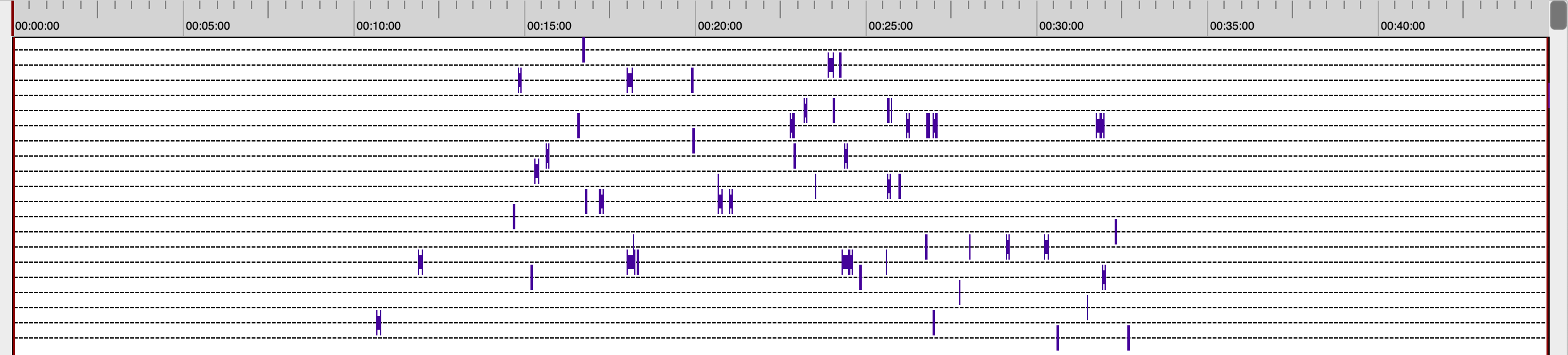
Figure 9 Temporal Occurrence of Procedural suggestions in Agreement Negotiations

Figure 10 Temporal Occurrence of Procedural suggestions in Non-agreement Negotiations

Figure 11 Temporal Occurrence of Personal communication in Agreement Negotiations

Figure 12 Temporal Occurrence of Personal communication in Non-agreement Negotiations

For the 18 agreement cases we additionally recovered the agreed monetary settlement amounts (Table 1). However, these measures are not comparable across sessions because creative and individual side concessions were routinely added and not standardized.↩︎
In machine learning, this method is referred to as causal inference. However, in the following we refrain from using causal terminology and rather refer to associations.↩︎